
Studying Abroad is Good for You…Literally

I get asked time and time again, “If you had the chance, would you study abroad again? Or, “Was studying abroad a good experience for you?” I always answer yes to both of these questions. I love traveling and having cultural experiences and this is what I attribute to my happiness. But even if I weren’t this way, I would still study abroad. From my personal experience and talking to people I met abroad, studying abroad is what broadens your worldview and makes you more understanding of people. These are qualities that I believe are necessary because our lives are involuntarily becoming more global each day. It turns out, there’s even research that backs the positive effect studying abroad has on a student. The Association of American Colleges & Universities  conducted a research study in 2017 to help highlight the facts and figures that come from students studying abroad.

“Global learning, whether it occurs in local communities or abroad, provides an array of skills and experiences that follow students throughout their civic and professional lives.”

Improves Interpersonal Skills

Social skills are not just important in our social lives. It’s all just as important in the workplace. Studying abroad has helped students all over the world sharpen these skills. These are the findings from AACU:

  • majority of respondents said that their study abroad experiences improved skills in fourteen out of fifteen “key skills desired for employment in today’s workforce.” Technical and software skills were the least likely to be developed
  • Approximately three-quarters of respondents saw “significant” gains in several areas: intercultural skills, flexibility/adaptability, self-awareness, curiosity, and confidence.
  • More than half of respondents also reported significant gains in problem-solving, interpersonal, and communication skills.
  • Study abroad experiences that were highly structured, and especially experiences that included group projects and activities, “emerged as a common factor among [respondents] reporting significant gains in collaborative, interpersonal, teamwork, and leadership skills.”
  • Life and physical science majors were the most likely to study abroad in an academic field outside of their major. In interviews, these respondents “often described study abroad as one of the only opportunities during their undergraduate studies to develop skills like flexibility, written and verbal communication, interpersonal skills, and intercultural skills.”
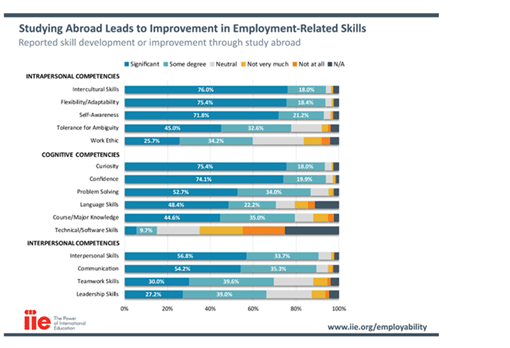
from http://www.aacu.org

Improves Career Outcomes

  • More than three-quarters (78 percent) of survey respondents said they discussed their study abroad experience in a job interview, and 53 percent said that their study abroad experience helped them secure a job offer.
  • Students who considered their career prospects when choosing a study abroad experience were more likely to say that the experience had an impact on their career. The report recommends that global learning programs “integrate clear employment-related learning outcomes into the design of study abroad programs.”

It is very rare that a research study can provide 100% positive findings. The data from this study helps me describe how studying abroad changed my life and others lives too. We’re in a time of uncertainty right now, a time where we’re not sure if studying abroad will be nearly as encouraged again. But I believe that one day, even if it’s 20 years from now, it will. If you’re not interested in studying internationally, there are also many opportunities that allow for you to study domestically. If you’re in the US, there are many opportunities to study in another state. If you’re interested in studying abroad and need more information on doing so, contact your school study abroad or global education office.
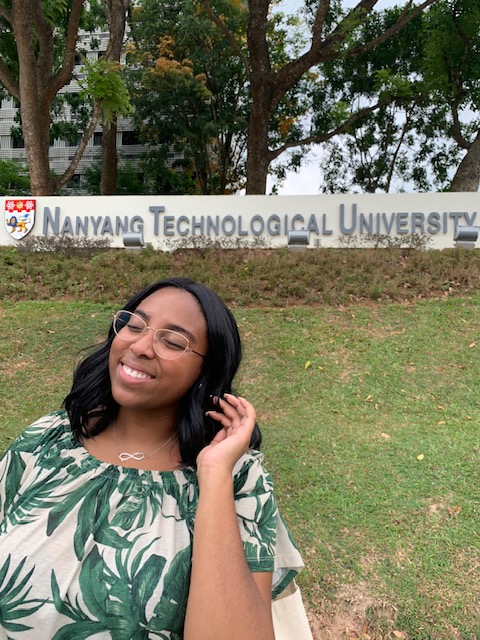

What is it Like? Preparing to Study Abroad at NTU as an American Exchange Student

If you were to ask me today, “On a scale from 1-10, can you rate your overall experience studying at Nanyang Technological University as an American exchange student?” I would respond with a solid 8.5! Which is very good, I might add, being that I was in a foreign country, on the other side of the world, without family and friends for 5 months! I assure you this is a fantastic score indeed. But, if you were to ask me to rate preparing, as well as my first couple weeks at NTU, you would get a rating much closer to 2. And this is why.

Limited Support from My Home University

My situation was quite different from most exchange students in this program, unfortunately the support I was counting on in the beginning from my school’s study abroad office in America was no more. The school decided to dissolve the office right before my departure and provided me with a new person as support. I won’t name any names, but this person was extremely absent for most of my time abroad, meaning with the many times I would contact them, they never responded to me. So, I had to get creative.

The Hive at NTU

My tip for you, if you’re interested in studying abroad, and feel there’s limited resources initially provided to you, is to not allow this to influence your decision. There’s a way to get through it and it works. I recommend finding two or three people from your school with authority in other areas, as it relates to your education, and keep in touch with them throughout your entire exchange. For instance, in my case, I stayed in touch with my department’s co-chair as well as the provost of academic services. I understand that these people sound quite important and busy, and it is true they certainly are, but they were more than willing to help me because I was taking the initiative. I was serious about enjoying my experience and attending classes; this made them want to be serious about helping me. Be sure to check out the NTU site to stay on top of pertinent information relating to the program.

Uncertainty with Registering for Classes

Unfortunately, something they don’t tell you ahead of time, is how difficult it can be to register for classes. I don’t want to deter you from choosing NTU as your study abroad uni, but I believe it is important to remain transparent about the experience. For students like me (a student of the business school) or students apart of any of the more popular colleges there is a major battle with getting registered for classes. I want to warn you, you’re going to request courses months before you leave for Singapore, but do not count on taking these courses, there will most likely be changes. So, in order for you to be more prepared, I want to highly recommend that you select at least 10 courses and no less. Also, be sure to get all of these approved by your school, I promise you will feel much more prepared by doing this. It’s a major headache going all the way to Singapore and then finding out you haven’t been approved for any courses because there’s no room left in them.

Man, it’s Hot in Singapore

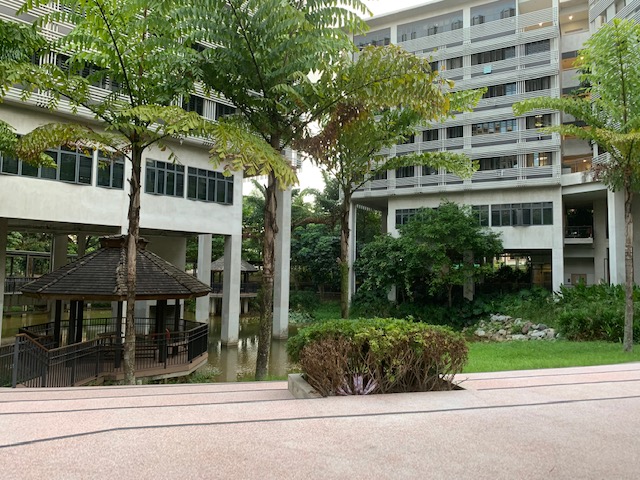
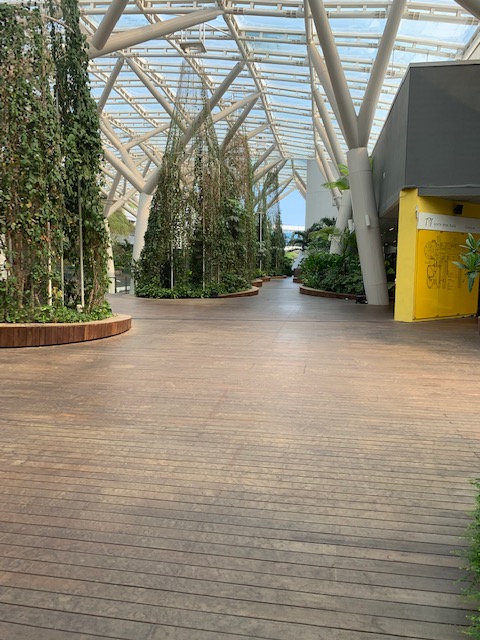
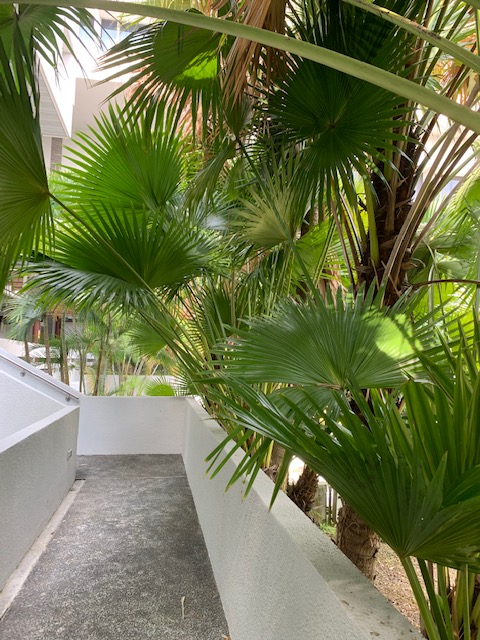
What you may not be prepared for and have little to no control over, is the overwhelmingly warm temperatures in Singapore. Check out these tips on how to make Singaporean heat a bit more manageable. It hardly is ever below 70 degrees Fahrenheit  and can be pretty humid and sticky. Coming from America, we barely see these kinds of temperatures, and certainly not year round, so be prepared for it. I personally didn’t mind the warm temperature, but many were struggling to bear it. There are some really good things about it being so warm though, NTU has an outdoor pool regardless of what time of year it is, and endless amounts of sports that you can join too. The weather is also what contributes to the lushness of the campus; I honestly have never seen a more beautiful campus with all of the flora and fauna that lives there.

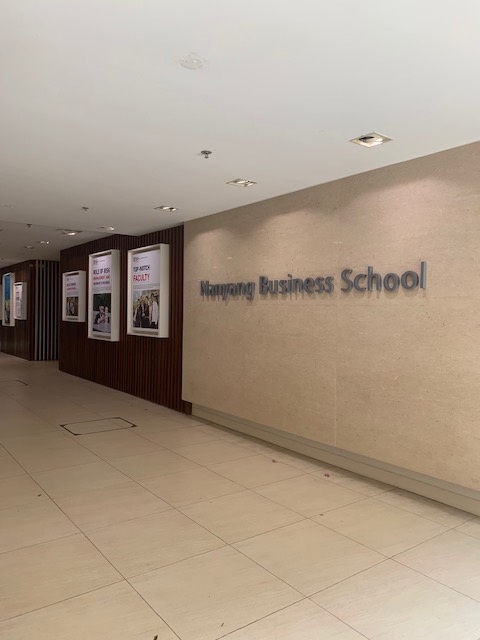
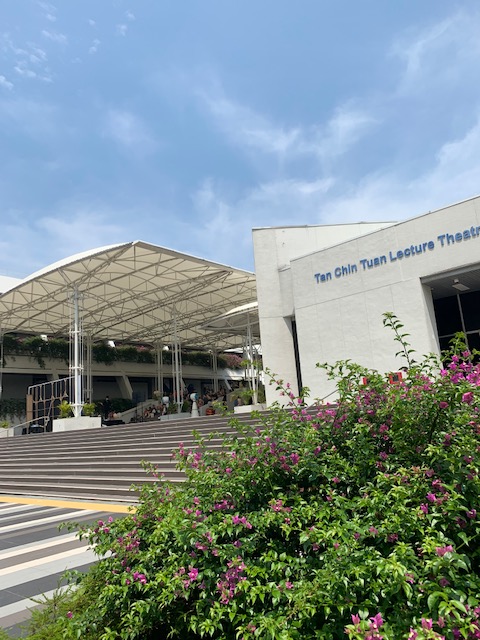
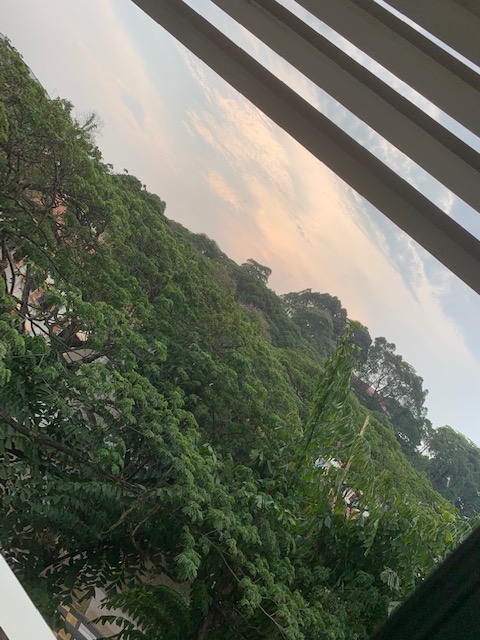
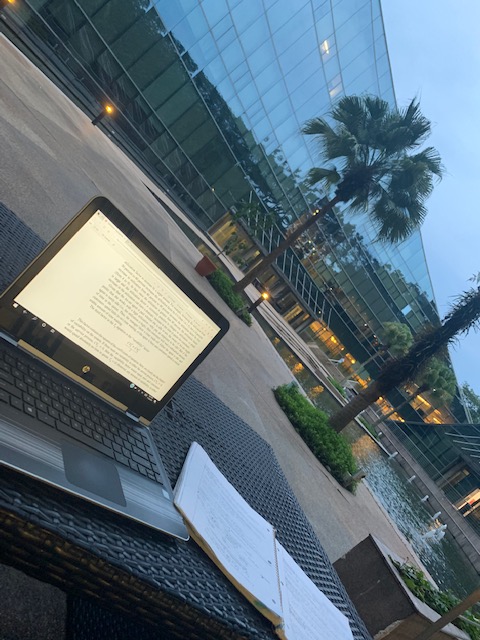
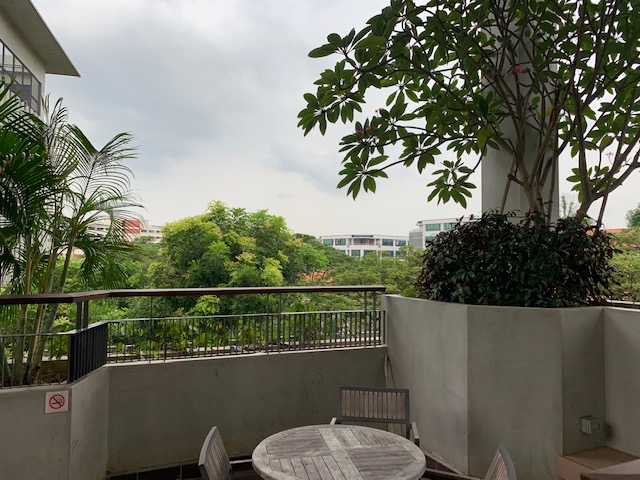
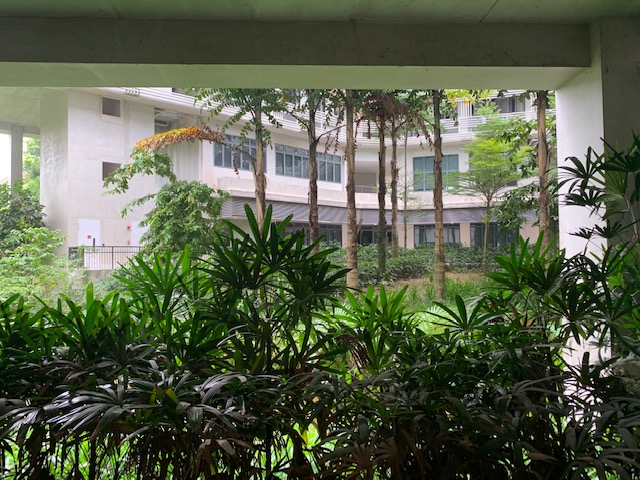
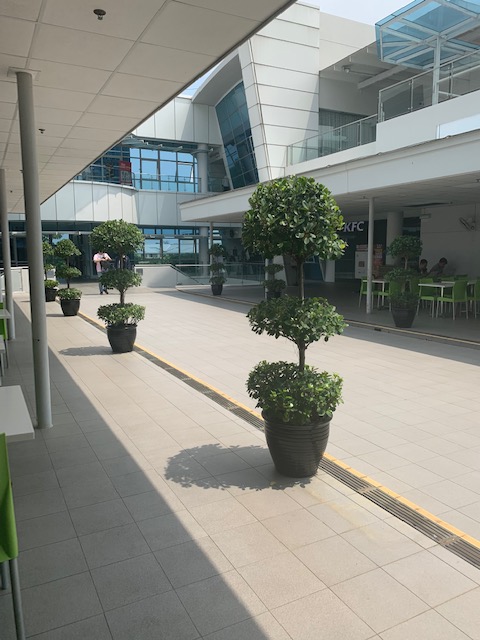
Enjoy some more photos of the beautiful Nanyang Technological University campus!

View outside my dorm’s window at Crescent Hall
North Spine at NTU
Studying in a tranquil oasis at the Art & Design Building
View from Crescent hall’s balcony
North Spine food court area